Guyana’s expanding energy industry needs far more than drilling crews. It needs workers trained for offshore assignments, vessels and trucks to move supplies, warehouses to store equipment, and specialists to inspect, maintain, and certify it.
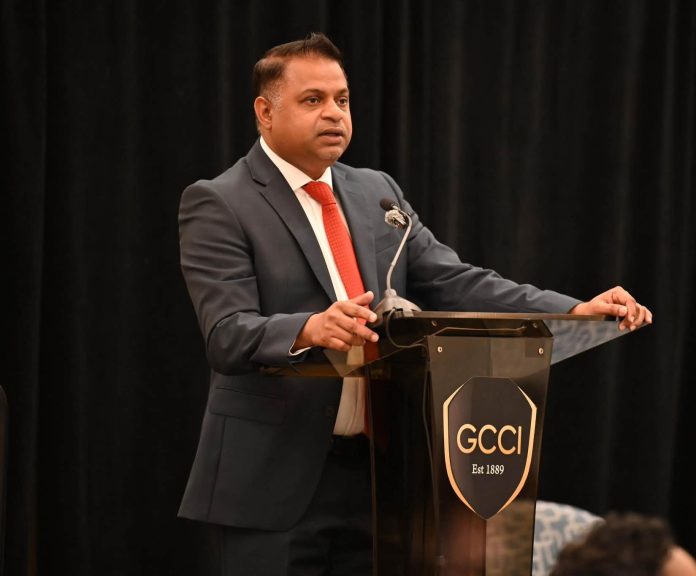
Speaking at the Georgetown Chamber of Commerce and Industry’s Beyond the Barrel energy luncheon, Minister of Public Utilities and Aviation Deodat Indar outlined areas in which he believes Guyanese businesses could find opportunities.
His list stretched from established petroleum services to potential businesses linked to natural gas and electricity.
GCCI President Kathy Smith welcomed the discussion and had earlier indicated that access to opportunity depends on access to information. She said companies need to know what work is coming, what qualifications it requires, and how to prepare before contracts are issued.
Indar began with the people and goods moving through the offshore industry. Workers require training before traveling to offshore installations and may need accommodation, transport, and related support during deployment.
Equipment must be moved by road, sea, and air, cleared through ports, and stored until it is needed.
Those activities create openings for training providers, logistics companies, transport operators, and warehouses. Indar noted that storage requirements vary, with some goods requiring temperature-controlled facilities and others suitable for conventional warehousing.
He also pointed to catering, tank cleaning, and waste management, including services for materials requiring specialist handling.
Technical services could offer another path. Lifting gear, tanks, and equipment components need inspection and certification. Instruments must be calibrated, and machinery must be tested before it is put to work. Indar described these as areas where businesses could develop expertise rather than compete solely for general supply contracts.
The opportunities he identified extend beyond oil production. Gas brought ashore could support businesses involved in storing and moving gas liquids, bottling cooking gas, and supplying industrial products. Indar also discussed the potential for fertiliser production and compressed natural gas for vehicles. These possibilities would require investment, technical knowledge, and a clearer understanding of the market.
Building the gas industry brings its own demands. Pipelines need installation and maintenance. Storage facilities and related infrastructure must be developed. Indar also identified dredging as an area of potential work as marine facilities expand.
Electricity presents a further opening. Additional generation capacity requires transmission lines, substations, and related grid infrastructure to move electricity reliably to homes, businesses, and industrial users. Indar said Guyana has limited local skills in parts of this work, creating scope for training and partnerships during the construction and operation of the network.
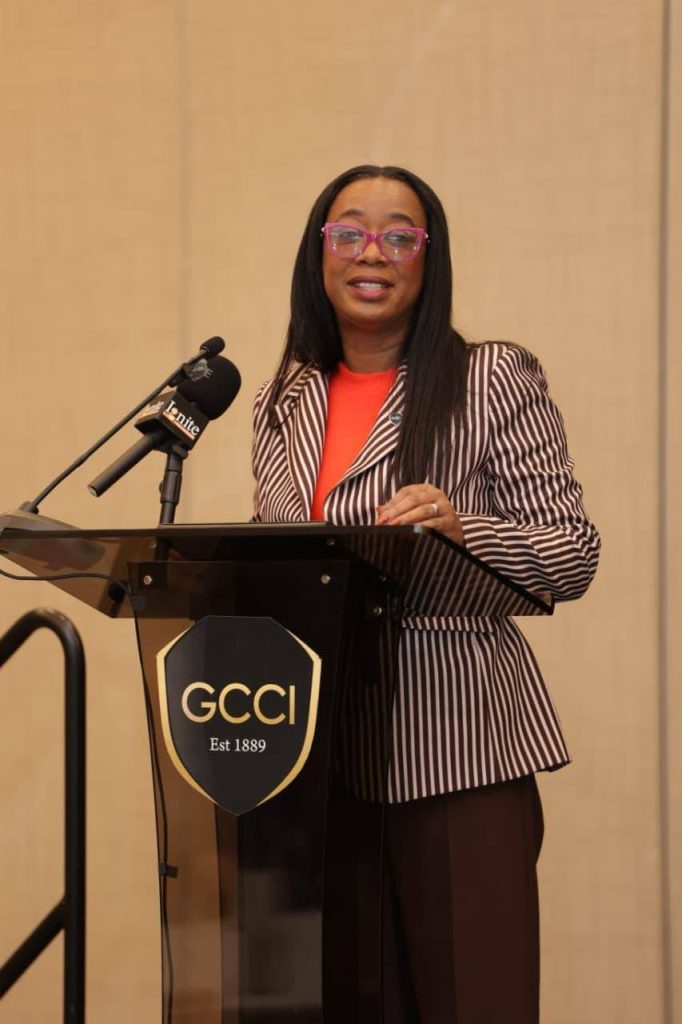
For Smith, the scale of the opportunity makes preparation urgent. She called for more information on upcoming projects and closer monitoring of Guyanese participation. She said contractors need clarity on certification, insurance, financial controls, and the capabilities expected of them.
Winning a contract is only one step. Businesses must be able to carry out the work safely and consistently, she said. Where a project is too large for one company, firms could form partnerships or consortia. Operators, government agencies, and financial institutions also have a role in helping capable local teams grow.
Indar urged businesses to be selective. A company that pursues work far outside its expertise can stretch its cash and management capacity. His advice was to choose an area, find the right technical partners, and develop the skills to deliver. That approach leaves Guyanese firms with a practical starting point: study the services each project will need, identify where they can compete, and prepare before the work reaches the market.