By Shikema Dey
Suriname is set to embark on a historic chapter with the GranMorgu offshore oil project. Annand Jagesar, Managing Director of Staatsolie, the national oil and gas company of Suriname, sees it as a momentous step forward.
“What seemed like a distant dream is becoming a reality,” he said. The development in offshore Block 58 is led by TotalEnergies and APA Corporation. With estimated reserves of 750 million barrels of oil, the project is expected to bring significant economic growth.
Staatsolie expects production to start in 2028, potentially triggering a massive positive transformation of the nation’s energy sector.
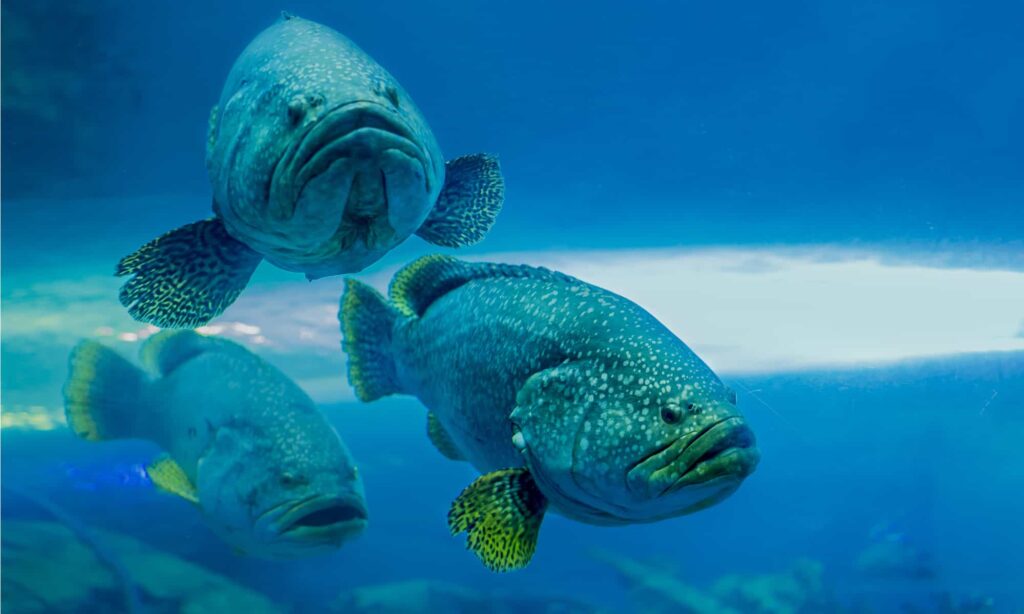
The project is named after GranMorgu – the Goliath Grouper – a large fish native to Suriname’s coastal waters. The fish’s long lifespan—up to 40 years—mirrors the anticipated longevity of the GranMorgu project, which is projected to operate for at least 20 to 25 years. The name also means “a beautiful morning” in Surinamese, representing a fresh start for the country’s offshore oil industry.
Managing Director of Staatsolie, Annand Jagesar Sustainability TotalEnergies has committed to minimizing the project’s environmental impact. The development will use an all electric floating production storage and offloading (FPSO) vessel. It is “an FPSO that is fully electrical like a Tesla,” said Artur Nunes-Da-Silva, TotalEnergies’ General Manager and Suriname Country Chair. The vessel, constructed by Dutch firm SBM Offshore, will feature zero routine flaring, full reinjection of associated gas, a waste heat recovery unit, and continuous methane monitoring.
The multipurpose floater hull, fabricated by China Merchants Heavy Industry (CMHI), was delivered under SBM Offshore’s Fast4Ward program. Economic Impact and Workforce Development Oil production from GranMorgu, expected to peak at 220,000 barrels per day from 30 wells, promises to expand Suriname’s economy significantly. President Chandrikapersad Santokhi emphasized the need for national preparedness and accountability.
“As a nation, we must reject the mentality that accepts mistakes and shortfalls as usual,” Santokhi said. “We must eliminate the sense of entitlement without effort and focus on making constructive contributions to the country’s development.”
He asserted that his nation aims to use petroleum revenues as a means to long-term national development, not an endpoint. Santokhi also underscored the importance of public awareness, stating, “We cannot assume that our citizens fully understand how the sector operates or how they will benefit from it.”
TotalEnergies has outlined plans to integrate Surinamese businesses and workers. According to Nunes-Da-Silva, the construction phase will create 3,816 jobs, with US$1.5 billion allocated to local firms over three years. The government expects this investment to boost the economy by an estimated 2.3% annually. The Local Content Debate Although oil revenues have significant economic potential, Suriname does not yet have a formal local content law or policy. Instead, provisions in Production-Sharing Contracts govern local participation.
Jagesar has argued that a policy approach, rather than a rigid legal framework, might be the most effective way to maximize benefits for Suriname. Neighboring Guyana has implemented a Local Content Act to ensure domestic companies and workers play a meaningful role in the industry. In Suriname, discussions continue about the best approach to balance foreign investment with national interests.
Project Costs & Staatsolie’s Role
The projected cost of the GranMorgu development is up to USD13.2 billion—higher than any of the six sanctioned projects in Guyana’s Stabroek Block. However, TotalEnergies has estimated a USD10.5 billion cost. Staatsolie plans to participate in the project by exercising its 20% stake in the Block 58 petroleum agreement. This commitment requires a financial contribution of USD2.6 billion through bonds, loans, partnerships, and internal reserves. Jagesar credited Staatsolie’s fiscal strength for enabling its involvement. “Thanks to our solid performance in recent years, we have built sustainable relationships with banks and investors,” he said.
A New Economic Horizon
The final investment decision for GranMorgu was made in October 2024, setting the stage for Suriname’s entry into offshore oil production. Beyond revenue generation, the project can yield broad economic benefits, including job creation and local procurement.
GranMorgu represents a turning point for Suriname, offering both opportunities and challenges. As the nation prepares for First Oil in 2028, the focus will be on ensuring that petroleum wealth translates into long-term national development. The road ahead requires strategic planning, transparency, and an informed citizenry ready to make the most of this historic venture